Build your door
Your garage door plays a crucial role in your daily life, yet it’s often overlooked—until something goes wrong. Whether it’s the sound of grinding metal at 6 AM or the struggle to lift a door that once moved effortlessly, these are signs that it might be time for a garage door replacement. But this isn’t just about avoiding inconvenience; it’s about ensuring your home’s safety, security, and efficiency.
A well-maintained garage door doesn’t just keep your car safe. It acts as a barrier to your home, a line of defence against intruders, and even a factor in your home’s energy efficiency. So, when your garage door begins to falter, you need to act quickly, and with the right knowledge, the garage door replacement process can be smooth, straightforward, and rewarding.

Why Garage Door Replacement Matters
Let’s face it—your garage door is more than just an entrance; it’s a lifeline to your home. When functioning properly, it’s one of those things you don’t give a second thought. But when it starts acting up, it quickly rises to the top of your list of home improvements. A garage door replacement isn’t just about aesthetics or convenience; it’s about protecting your home and its contents.
The average UK household opens and closes their garage door over 1,500 times yearly. With this amount of use, it’s no wonder that garage door replacement is needed more often than other home features.
Replacing your garage door is an investment that pays off in multiple ways. Not only does it boost your home’s curb appeal, but it also enhances security and improves energy efficiency. Plus, with the wide range of modern garage doors, you can choose one that perfectly suits your style and needs.
Signs It’s Time for a Garage Door Replacement
Garage doors don’t just fail overnight. They give you plenty of signs that they’re nearing the end of their life. Ignoring these signs can lead to more significant issues, including potential safety hazards.
- Frequent Breakdowns: If you’re constantly on the phone with a repair technician, it’s probably time to consider a replacement. Continuous repairs often indicate the door’s mechanism is on its last legs.
- Excessive Noise: A noisy garage door isn’t just an annoyance; it’s a cry for help. Grinding, squeaking, or rattling sounds can indicate issues with the door’s springs, rollers, or the opener. Don’t ignore these sounds—they’re telling you it’s time for a garage door replacement.
- Sagging Sections: If your garage door appears to sag or isn’t closing evenly, this could be a sign of structural problems. A sagging door can lead to serious safety risks, as it might fail unexpectedly.
- Increased Energy Bills: Older garage doors often lack proper insulation, leading to heat loss in the winter and heat gain in the summer. If you’ve noticed a spike in your energy bills, it might be due to your garage door. A modern, insulated door can significantly improve your home’s energy efficiency.
Insulated garage doors can reduce heat loss by up to 70%, making them a smart choice for energy-conscious homeowners.
Types of Garage Doors: Which One Is Right for You?
Choosing the right type of garage door for your garage door replacement is crucial. The market offers a variety of options, each with pros and cons.
- Steel Doors: Steel doors are popular in the UK. Known for their durability, they require minimal maintenance and are available in various styles. Additionally, they can be insulated to improve energy efficiency.
- Wooden Doors: For those who love a classic look, wooden garage doors offer timeless beauty. However, they require regular maintenance to protect against the elements and maintain their appearance.
- Aluminium Doors: An aluminium garage door might be the perfect choice if you live near the coast. These doors are lightweight, resistant to rust, and provide a sleek, modern look.
- Composite Doors: Composite doors combine the best of both worlds, offering the appearance of wood with the durability of steel. They’re an excellent choice for those who want style without the hassle of high maintenance.
- Glass Doors: Consider glass garage doors for a contemporary, stylish look. These are particularly popular in urban areas and for homes with modern architecture. While they may not be as energy-efficient, they make a striking visual statement.
Step-by-Step Guide to Replacing Your Garage Door
Replacing your garage door may seem daunting, but it can be a manageable DIY project with the right approach. Here’s a step-by-step guide to help you through the process:
- Measure Twice, Order Once: Accuracy is key when measuring for a new garage door. Measure the height, width, and thickness of the existing door and the headroom and side clearance to ensure your new door will fit perfectly.
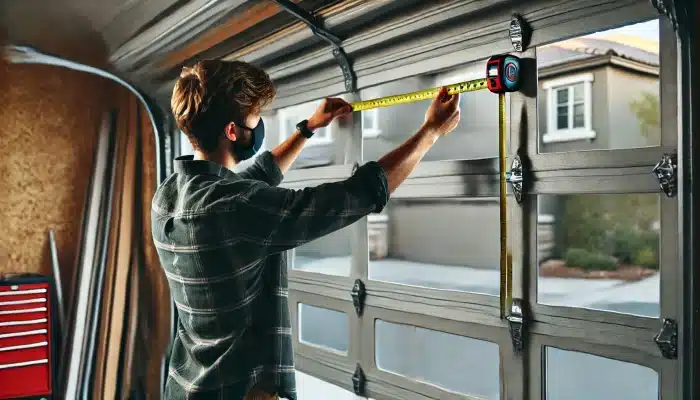
- Remove the Old Door: Begin by disconnecting the garage door opener. Carefully remove the springs, as these are under tension and can be dangerous. Once the tension is released, unscrew the hinges and rollers and remove the door panel by panel.
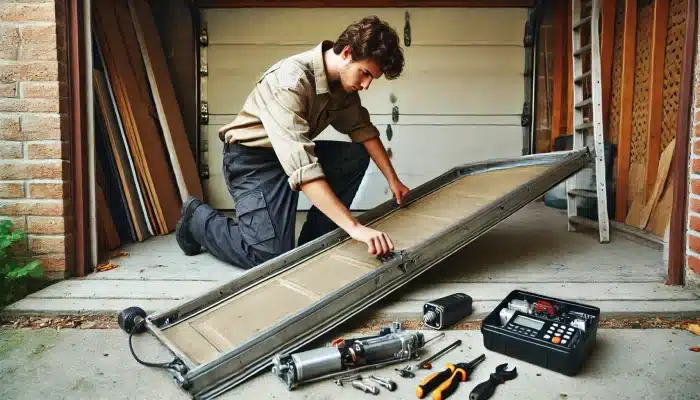
- Prepare the Frame: Inspect the garage door frame for any signs of damage or rot. If necessary, repair or replace sections of the frame. Clean the area to ensure a smooth installation of the new door.
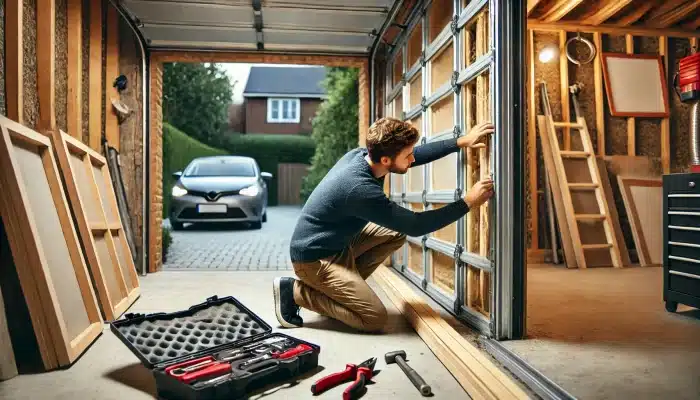
- Install the New Door: Attach the hinges to the new door panels. Position the bottom panel in the doorframe and secure it with brackets. Stack and secure each panel, making sure everything is level and aligned. Reattach the springs, ensuring they are properly tensioned.
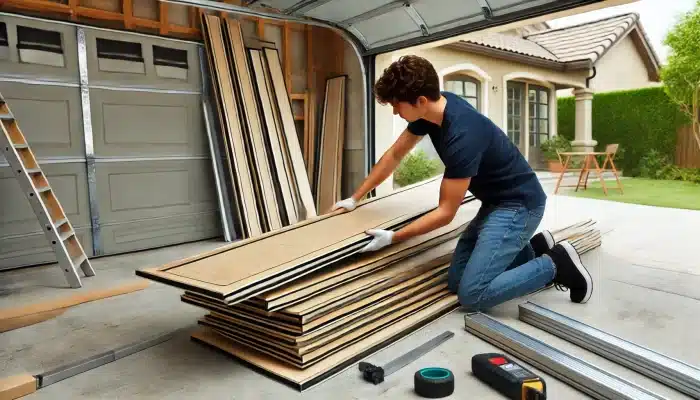
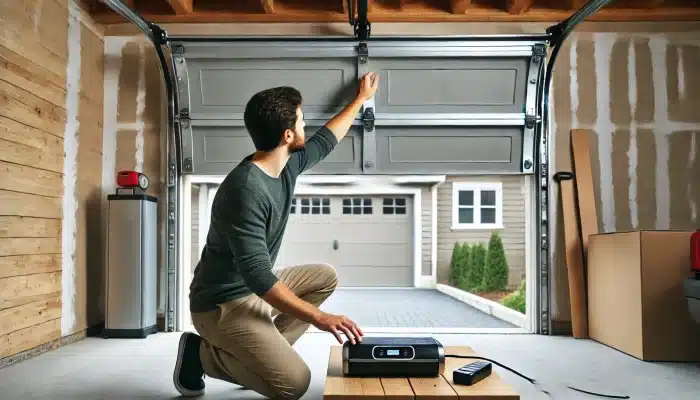
- Test the Door: Reconnect the garage door opener once the door is installed. Test the door’s operation several times to ensure it opens and closes smoothly. Adjust the tension and alignment as needed.
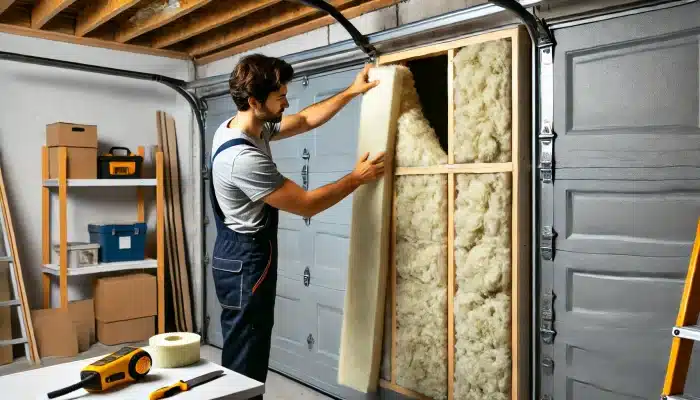
- Add Insulation and Weatherstripping: If your new door isn’t insulated, consider adding insulation to improve energy efficiency. Additionally, weatherstripping should be installed along the bottom and sides of the door to prevent drafts.
DIY vs. Professional Installation: Which Should You Choose?
When considering a garage door replacement, one of the biggest decisions is tackling the project yourself or hiring a professional.
DIY Installation:
- Cost Savings: Installing the door yourself can save money on labour costs.
- Satisfaction: Completing the job can be rewarding and give you a sense of accomplishment.
However, DIY installation comes with risks. Garage doors are heavy, and the springs are under high tension, which can be dangerous if improperly handled. Additionally, mistakes during installation can lead to operational issues or even damage the door.
Professional Installation:
- Expertise: Professionals have the experience and tools to install the door correctly and safely.
- Efficiency: A professional can often do What might take a full weekend to complete in a few hours.
- Peace of Mind: Hiring a professional ensures the job is done right, and most companies offer warranties on their work.
DIY might be the way to go if you’re confident in your skills and have the right tools. But if safety or precision are concerns, hiring a professional is likely your best bet.
Additional Tips to Enhance Your Garage Door’s Longevity
Once your garage door replacement is complete, you’ll want to keep it in top condition for as long as possible. Regular maintenance is key to ensuring your door lasts for years to come.
- Lubricate Moving Parts: Lubricate the door’s springs, rollers, and hinges every six months. This reduces friction and wear and ensures the door operates smoothly.
- Check the Balance: An unbalanced door can strain the opener and cause it to wear out more quickly. Disconnect the opener and manually lift the door halfway to check the balance. If it stays in place, it’s balanced. You’ll need to adjust the tension if it moves up or down.
- Inspect the Weatherstripping: Over time, weatherstripping can crack or wear out. Inspect it regularly and replace it if necessary to seal your garage against the elements.
- Clean the Door: Whether your door is steel, wood, or composite, keeping it clean will help it last longer. Use a mild detergent and water to wash away dirt and grime for steel and aluminium doors. Wooden doors may need to be refinished periodically to protect against moisture.
Common Mistakes to Avoid During Garage Door Replacement
Mistakes can happen during a garage door replacement, even with the best intentions. Here are some common pitfalls and how to avoid them:
- Incorrect Measurements: A common mistake is getting the measurements wrong, which can lead to problems from improper fitting to operational issues. Double-check all your measurements before ordering the door.
- Ignoring the Instructions: Skipping steps or not following the manufacturer’s instructions can result in a faulty installation. Take the time to read through the instructions and understand each step before you start.
- Not Securing the Springs Properly: The springs on a garage door are under high tension and need to be secured correctly. Failing to do so can lead to serious injury or damage to the door.
- Forgetting Safety Cables: Safety cables are necessary if your door uses extension springs. They prevent the springs from flying off if they break, which can be dangerous.
Conclusion
A garage door replacement isn’t just a home improvement project—it’s a step towards a safer, more efficient home. Whether you’re dealing with an old, creaky door that’s seen better days or want to upgrade to a more modern, insulated model, replacing your garage door is an investment that pays off in many ways.
The benefits of a new garage door are clear, from enhanced security to better energy efficiency. Choosing and installing your new door can be straightforward and stress-free with the right guidance.
Ready to make the change? Contact us today to select the perfect door and handle the installation with the care and precision it deserves. Your home—and your peace of mind—will thank you.