

 Build your door
Your garage is more than just a place to store your car; it’s often a secondary entry to your home and a storage space for valuable items. Ensuring that your garage door is secure is paramount, and a key aspect of that security is the lock on the door. Over time, garage door locks can wear out, become obsolete, or fail to offer the level of security you need. Knowing when and how to replace your garage door lock is crucial to maintaining the safety of your property.
In this article, we’ll explore the signs that indicate it’s time for a garage door lock replacement, guide you through replacing the lock yourself, and discuss additional security measures you can take to fortify your garage.
Signs You Need Garage Door Lock Replacement
Identifying the signs that your garage door lock needs replacement can save you from potential security breaches and provide peace of mind.
Here are some common indicators:
Difficulty in Locking/Unlocking
A garage door lock that becomes difficult to operate indicates something is wrong. If you find yourself struggling to lock or unlock the door, this could mean that the internal mechanisms are starting to wear out. Over time, the components inside the lock can become misaligned or worn, making it harder to turn the key or engage the locking mechanism. Ignoring this issue can lead to a complete lock failure, leaving your garage vulnerable.
Rust and Corrosion
Locks exposed to the elements, particularly those on exterior garage doors, are prone to rust and corrosion. These environmental factors can weaken the lock’s structural integrity, making it easier for intruders to break in. Rust affects the lock’s appearance and functionality. When you notice any signs of rust, garage door lock replacement is essential before it deteriorates further and compromises your garage’s security.
Worn Keys or Keyholes
Over time, keys and keyholes can wear down, especially with frequent use. A worn key may not properly align with the lock’s internal pins, leading to difficulty turning the key or failing to unlock the door completely. Similarly, a worn keyhole might no longer hold the key securely, increasing the chances of a security breach. If you notice that your key no longer fits smoothly or that the keyhole appears enlarged, it’s time to consider a garage door lock replacement.
Security Upgrades
Sometimes, the need to replace a garage door lock isn’t due to wear and tear but rather a desire to enhance your home’s security. If you’ve experienced a break-in, moved into a new home, or want to upgrade to a more secure system, replacing the lock with a new, more robust model is smart. Modern locks offer advanced features that can significantly improve the security of your garage.
Lost or Stolen Keys
If your garage door key has been lost or stolen, it’s crucial to replace the lock immediately. Even if you have a spare key, there’s no guarantee that the lost key won’t fall into the wrong hands. Garage door lock replacement will ensure that whoever finds or has stolen your key won’t be able to access your garage.

Types of Garage Door Locks
When considering a garage door lock replacement, choosing the right type of lock for your needs is important. Here are some common types of garage door locks:
T-Handle Locks
T-handle locks are one of the most common garage door locks, especially for manual garage doors. They are usually installed on the door’s exterior and feature a T-shaped handle that you turn to lock or unlock the door. These locks are robust and easy to use, making them a popular choice for many homeowners. However, they are also a target for thieves, so choosing a high-quality model is important.
Slide Bolt Locks
Slide bolt locks are another common option, typically used with other locks for added security. These locks are installed inside the garage door and feature a bolt that slides into a bracket to secure the door. While slide bolt locks are very effective, they are only accessible from the inside, so they are usually used as a secondary locking mechanism.
Deadbolt Locks
Deadbolt locks offer higher security than T-handle and slide bolt locks. These locks are often installed on the side or bottom of the garage door and require a key. Deadbolts are more resistant to picking and drilling, making them a good choice for those who want to enhance their garage’s security.
Electronic Locks
Electronic locks are a great option for those looking to add a modern touch to their garage security. These locks can be operated via a keypad, remote control, or smartphone, eliminating the need for a traditional key. Electronic locks offer convenience and enhanced security features, such as the ability to monitor and control access to your garage remotely.
Padlocks
While padlocks are not typically used as the primary lock for a garage door, they can provide additional security when used with other locks. Padlocks are versatile and can be used to secure a variety of garage door styles, making them a good choice for those who want to add an extra layer of protection.

Step-by-Step Guide to Replacing a Garage Door Lock
Garage door lock replacement may seem daunting, but most homeowners can handle it with the right tools and patience. Follow this step-by-step guide to replace your garage door lock effectively.
1. Gather Your Tools and Materials
Before you begin, ensure you have all the necessary tools and materials. This includes:
- A new garage door lock (compatible with your door)
- Screwdrivers (both flathead and Phillips)
- Pliers
- A drill with various bits
- Measuring tape
- A pencil or marker for marking positions
Everything you need will make the process smoother and prevent unnecessary interruptions.
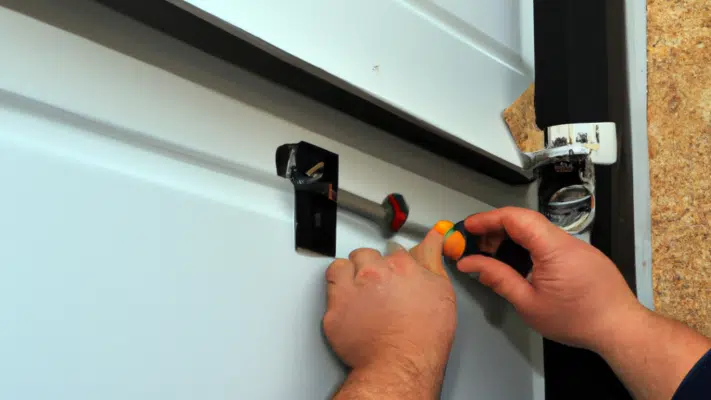
2. Remove the Old Lock
Start by removing the old lock from your garage door. If you’re replacing a T-handle lock, unscrew the nuts or bolts that secure it to the door. You may need pliers to loosen any particularly tight screws. Once the handle is removed, remove the latch mechanism and any other components attached to the door.
3. Prepare the Door for the New Lock
Once the old lock is removed, clean the area where the new lock will be installed. If the new lock has different dimensions than the old one, you may need to drill new holes or modify the existing ones. Use your measuring tape to ensure the new lock will be positioned correctly, and mark the spots where you’ll need to drill.
4. Install the New Lock
With the door prepared, it’s time to install the new lock. Place the new lock in position and secure it with screws or bolts, ensuring that it’s aligned properly. If installing a deadbolt or electronic lock, follow the manufacturer’s instructions carefully to ensure correct installation. Make sure the lock operates smoothly and that all components are securely fastened.
5. Test the Lock
After installing the new lock, test it several times to ensure it’s working correctly. Lock and unlock the door multiple times, checking for any issues with alignment or operation. If the lock doesn’t function smoothly, make any necessary adjustments before considering the job complete.
6. Add Additional Security Measures
If you want to enhance your garage’s security further, consider adding a slide bolt or deadbolt to complement your new lock. Additional locks provide an extra layer of protection and can deter potential intruders.
Additional Security Tips for Your Garage
While garage door lock replacement is a significant step in securing your garage, there are other measures you can take to enhance overall security:
Install a Security Camera
Installing a security camera outside your garage can deter potential thieves. Modern security cameras often come with motion detection and remote monitoring features, allowing you to monitor your property even when you’re not home.
Upgrade Your Garage Door Opener
Older garage door openers can be vulnerable to hacking or unauthorized access. Consider upgrading to a newer model with rolling code technology, which changes the access code each time the remote is used. This makes it much more difficult for someone to access your garage.
Add Lighting
Adequate lighting around your garage can help deter intruders. Motion-activated lights are particularly effective, as they only turn on when someone approaches, alerting you to their presence.
Secure the Garage Door Windows
If your garage door has windows, make sure they are secure. Consider installing frosted or tinted glass to prevent outsiders from seeing inside your garage. You can also reinforce the windows with security film or bars to make them harder to break.
Conclusion
Garage door lock replacement is a crucial step in maintaining the security of your home and belongings. Whether you’re dealing with a worn-out lock, upgrading to a more secure option, or taking preventive measures after a security breach, ensuring your garage is properly secured is essential. With the right tools and patience, garage door lock replacement enhances your home’s security without needing professional help.
Ready to upgrade your garage security? Contact us today to explore our wide range of garage door locks and receive personalized advice and installation services.

